The short answer
A clear cancellation policy usually makes the deposit non-refundable, because you turned down other work for that date, and sets what share of the balance is owed depending on how close to the event the client cancels. It should also cover date changes and what happens if you can't perform. Put it in your contract in plain words.
This is general information, not legal advice.
What a cancellation policy covers
- The deposit: usually non-refundable once the date is held.
- A sliding scale: more of the balance is owed the closer the cancellation is to the event.
- Date changes: whether the deposit can move to a new date, and for how long.
- Your side: what you'll do if you can't perform, such as sending a qualified substitute or refunding.
- Events beyond anyone's control: severe weather, venue closure and similar.
Keep it plain and visible
Write it in simple sentences, mention it in your proposal, and point to it when you send the contract. Clients who understand the policy up front rarely argue about it later.
How BookLive helps
- Contract templates. Your cancellation policy goes in every contract automatically.
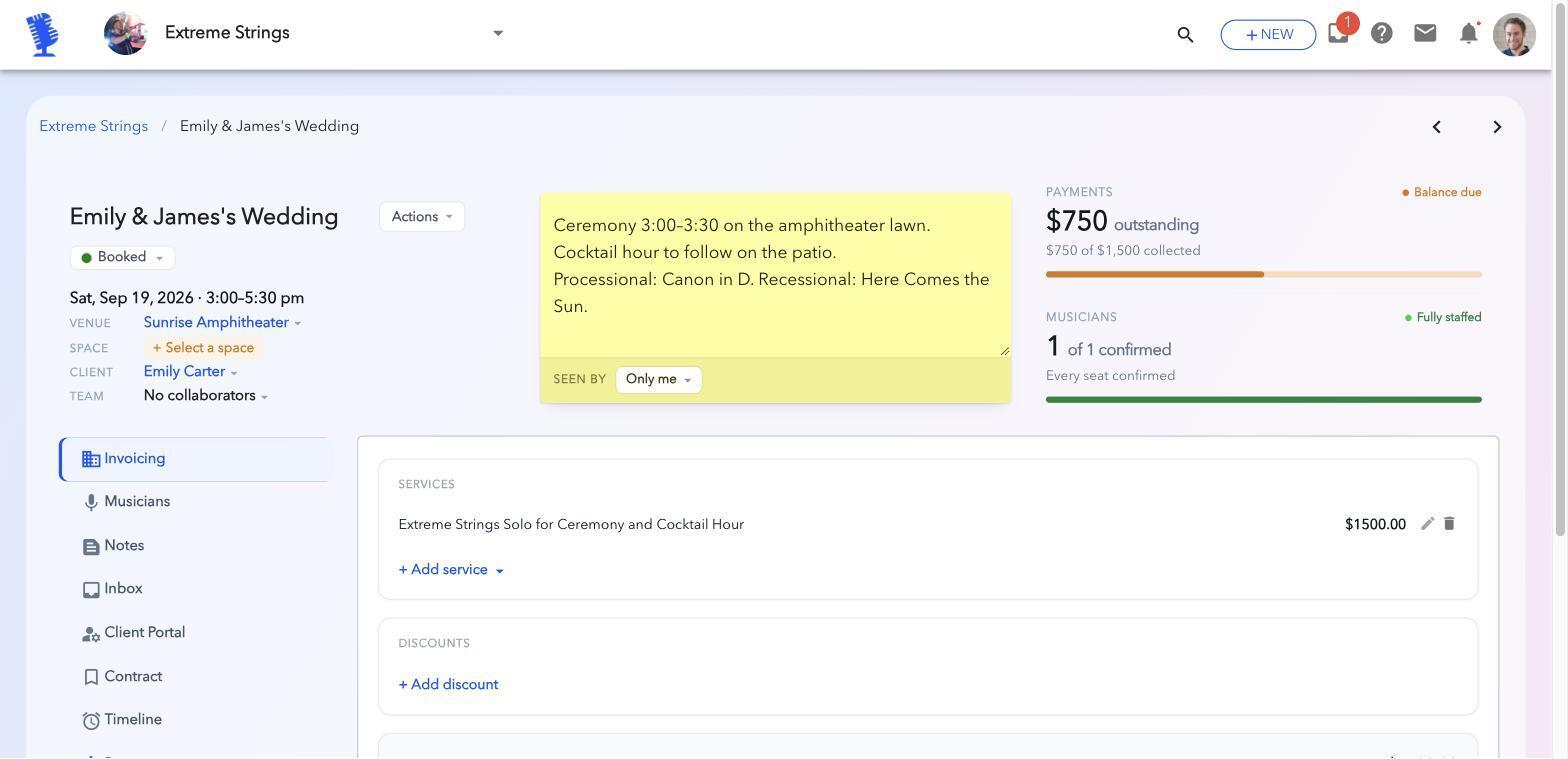
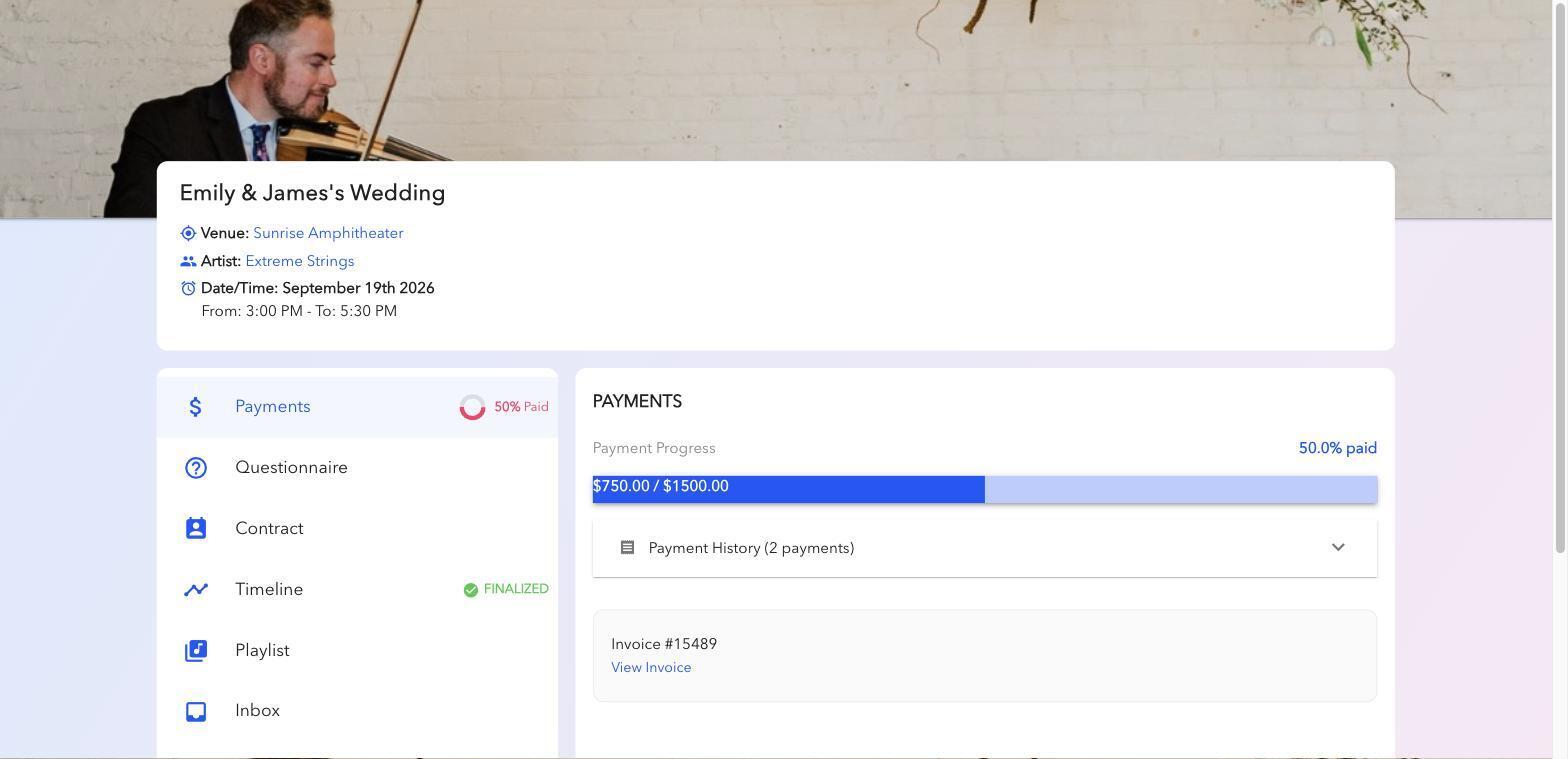
- Payment schedules. Deposits and balances tracked per gig.
- Refunds. Refund a card payment in full or in part when needed. See getting paid for gigs.
Your musicians use BookLive for free. Only the bandleader pays.
Frequently asked questions
Should a musician's deposit be refundable?
Usually not. The deposit holds the date and covers work you turned down.
What if the band has to cancel?
Your policy should say what you'll do, such as sending a qualified substitute or refunding the client.
Protect your dates with BookLive
Contracts, deposits and payment schedules on every gig.
Your musicians never pay.